From Service to Systems: Reclaiming Leadership as a Shared Responsibility
What does leadership look like when no one person holds the map?
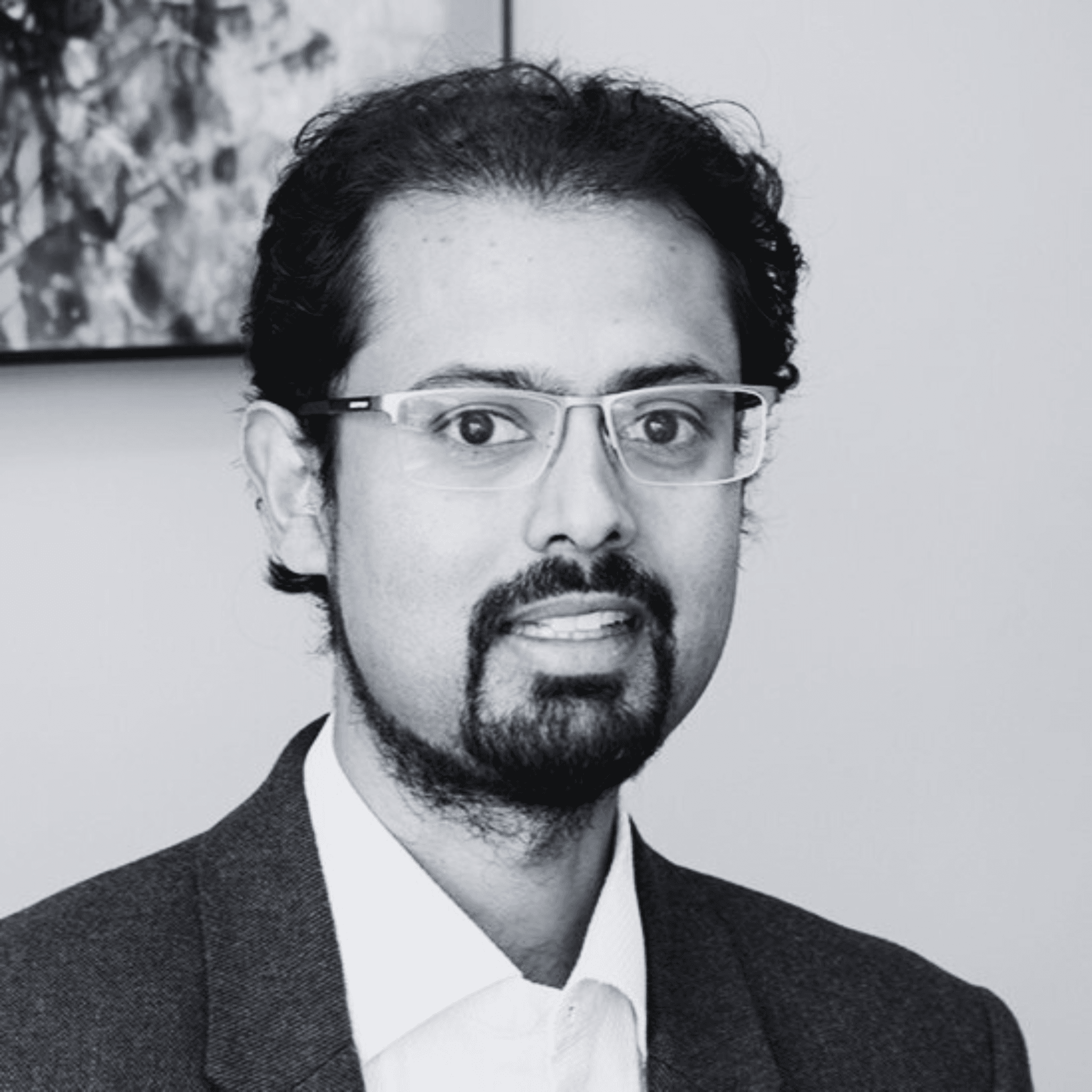
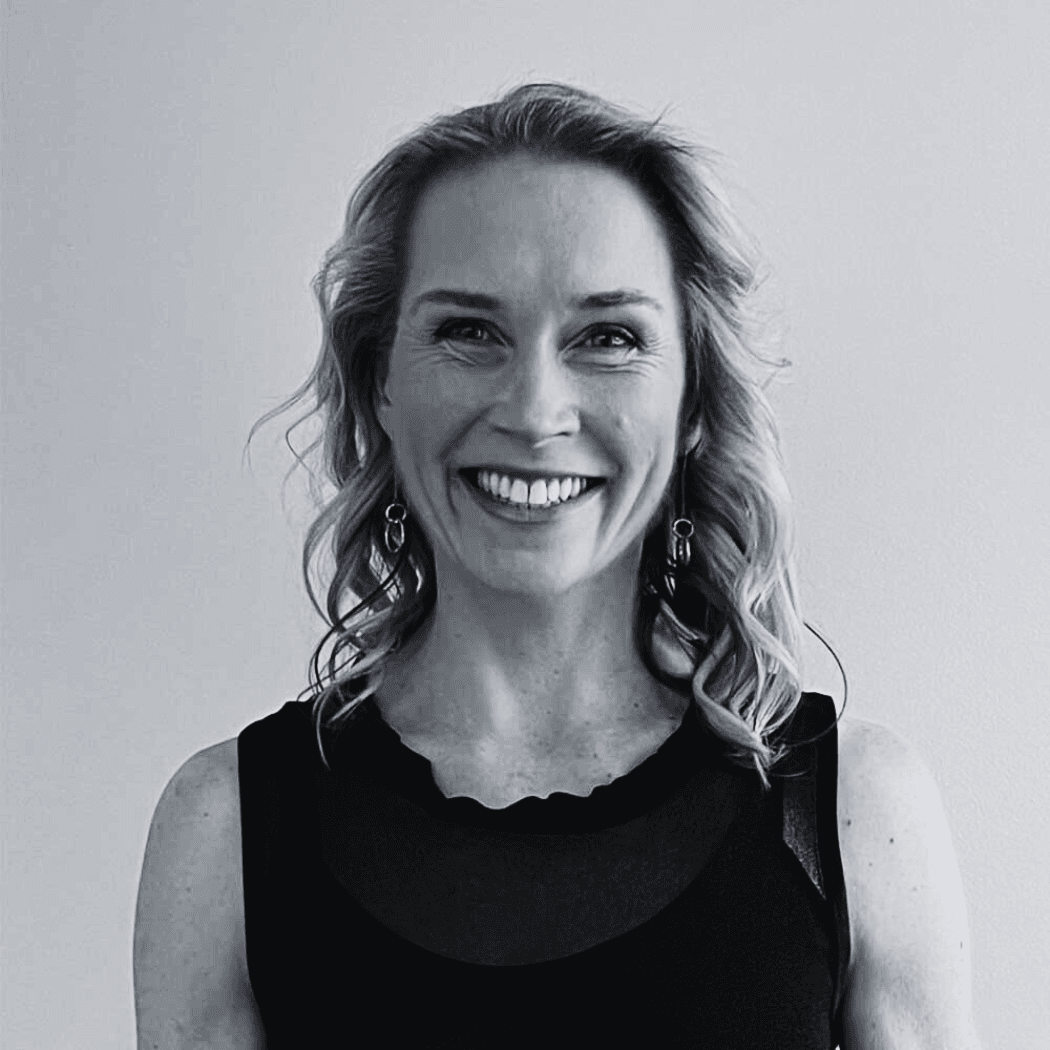
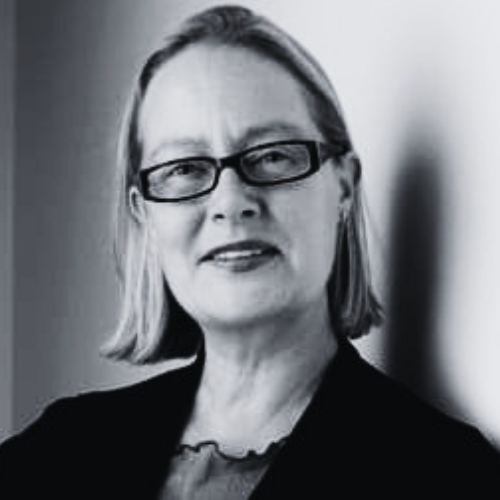
When challenges stretch across institutions, communities, and generations, the notion of a single heroic leader begins to fracture. In the second episode of The Future of Leadership Development, host Dr Toby Newstead is joined by Dr Nathan Eva, Director of the Centre for Sustainable Leadership at Monash University, and Benny Callaghan, CEO of Bigger Questions and co-founder of YLab, to explore how systems thinking is redefining what it means to lead — and to follow.

From Hero to System Steward
Eva argues that traditional leadership models were designed for stability, not flux. “They work for simple or complicated problems,” he explains, “but collapse when faced with complexity.” Today’s issues — climate change, inequality, technological disruption — defy boundaries. They demand collective intelligence, not centralised authority.
Callahan reframes the work of the leader as holding the tension of opposites: “staying in the work when there are no easy answers.” In this world, the measure of leadership is not control, but capacity — the ability to convene, listen, and make meaning across difference. The modern leader is not the hero of the story but its host: the architect of conditions where others can act.
The Human Dimension of Systems
If systems are the context for change, people are the material from which they are built. Eva warns that organisations too often treat systems as mechanical: “We keep redesigning them as if people were components. But they’re human ecosystems — full of emotion, story, and identity.”
Callahan adds that belonging is the pre-condition for change: “If people can’t see themselves in the system, they won’t sustain it.”
Systems leadership is not the removal of the human factor; it is the art of placing humanity at the centre — designing with empathy, acknowledging emotion, and creating psychological safety for honest learning.
The implication is profound. Systems don’t transform because we diagram them differently. They transform because people inside them experience trust, agency, and connection.
Learning at the Speed of Trust
Complex systems evolve through feedback, not forecasts. Eva calls this “learning at the speed of trust.” In complex environments, information is partial, outcomes are uncertain, and control is illusory. Progress depends on experimentation, reflection, and adaptation — not perfection.
Callahan’s rule is simple: “If the people closest to the problem aren’t part of the solution, you’re not learning — you’re imposing.”
Systems leadership therefore replaces “plan, implement, evaluate” with “probe, sense, respond.” The work is iterative, relational, and deeply human.
For leadership development, this means moving beyond episodic training toward learning ecosystems that integrate practice with reflection. Development becomes less about transferring expertise and more about cultivating presence, humility, and stamina.
Capability over Hierarchy
Eva and Callahan both challenge the hierarchy that still defines most leadership pipelines. Leadership, they argue, must be seen as capability rather than position. When leadership becomes a shared practice, organisations gain resilience; when it remains the privilege of a few, they stagnate.
Callahan points to YLab’s co-design work with young people and institutions as evidence that when authority is shared, innovation accelerates. “The power dynamic changes,” he says. “You create space for fresh insight and accountability from everyone involved.”
Eva agrees: leadership development should democratise agency. Emotional intelligence, systems literacy, and adaptive thinking must permeate every layer of the organisation. The goal is not to create more managers — it’s to nurture more sense-makers.
Culture as the New Infrastructure
Eva distinguishes between leadership programs and leadership cultures. Programs, he says, “create moments; cultures create momentum.” A program can inspire, but only culture sustains. Culture is the invisible infrastructure that allows distributed leadership to thrive — the routines, relationships, and rituals that make collaboration habitual.
Callahan adds that language itself is structural: “The words we use build the worlds we live in.” When organisations shift their vocabulary from control to connection, performance to learning, they start to behave differently. In systems change, narrative is both compass and catalyst.
Creating culture means embedding reflection, feedback, and shared accountability into the daily rhythm of work. Leadership becomes not a title but a pattern repeated across a thousand small interactions.
The Ethics of Interdependence
Both guests circle back to ethics — the moral architecture underpinning collective leadership. In a system, responsibility is dispersed; yet without ethics, dispersion becomes abdication. Eva frames systems leadership as “the ethic of interdependence.” Each actor, he says, holds part of the whole. “Our task isn’t to produce more heroic leaders; it’s to build the culture that lets leadership emerge everywhere.”
Callahan translates that ethic into practice: “We need leaders who can say I don’t know, stay in the conversation, and keep the learning alive.” In an age obsessed with speed and certainty, choosing patience may be the most courageous act of all.
A New Measure of Impact
Ultimately, systems leadership shifts the question from What did you achieve? to What did you enable? Success is measured not in individual outputs but in collective outcomes — how many people learned, adapted, and grew because of the conditions you helped create.
This mindset demands humility, but it also invites hope. If leadership can be shared, it can also be scaled. If learning is continuous, transformation is possible. The future of leadership lies not in the solitary visionary but in networks of people willing to learn together in real time — connected by trust, grounded in purpose, and unafraid to say we don’t know yet.
🎧 Listen to Episode 2 — Reimagining Leadership for Systems Change on The Future of Leadership Development, hosted by Dr Toby Newstead with Dr Nathan Eva and Benny Callaghan.
At the Menzies Leadership Foundation, we believe the future of leadership won’t be defined by individuals with the map, but by communities learning to navigate without one.
Through the Menzies Leadership Forum, we’re exploring how leadership evolves when no single person holds the answers — when the work shifts from service to systems, and from control to connection.
In conversation with thinkers and practitioners like Dr Nathan Eva and Benny Callahan, we’re reimagining leadership as a shared human capability — one that holds tension, builds trust, and learns in real time. This is leadership not as hierarchy, but as stewardship: cultivating the conditions for others to act, adapt, and belong.
Systems change begins when we move beyond the heroic leader to the connected learner — when we see that transformation doesn’t depend on one voice, but on many learning together.
The future of leadership isn’t about standing above complexity — it’s about standing within it, together.