Finding the Middle Ground: Rediscovering Our Shared Responsibility
In a world marked by polarisation and fragmentation, how do we rediscover the space between us — the middle ground where shared purpose and collective action can flourish?
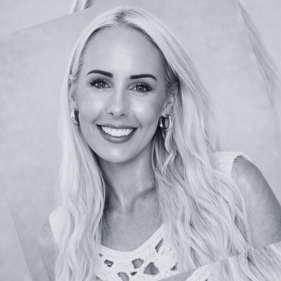
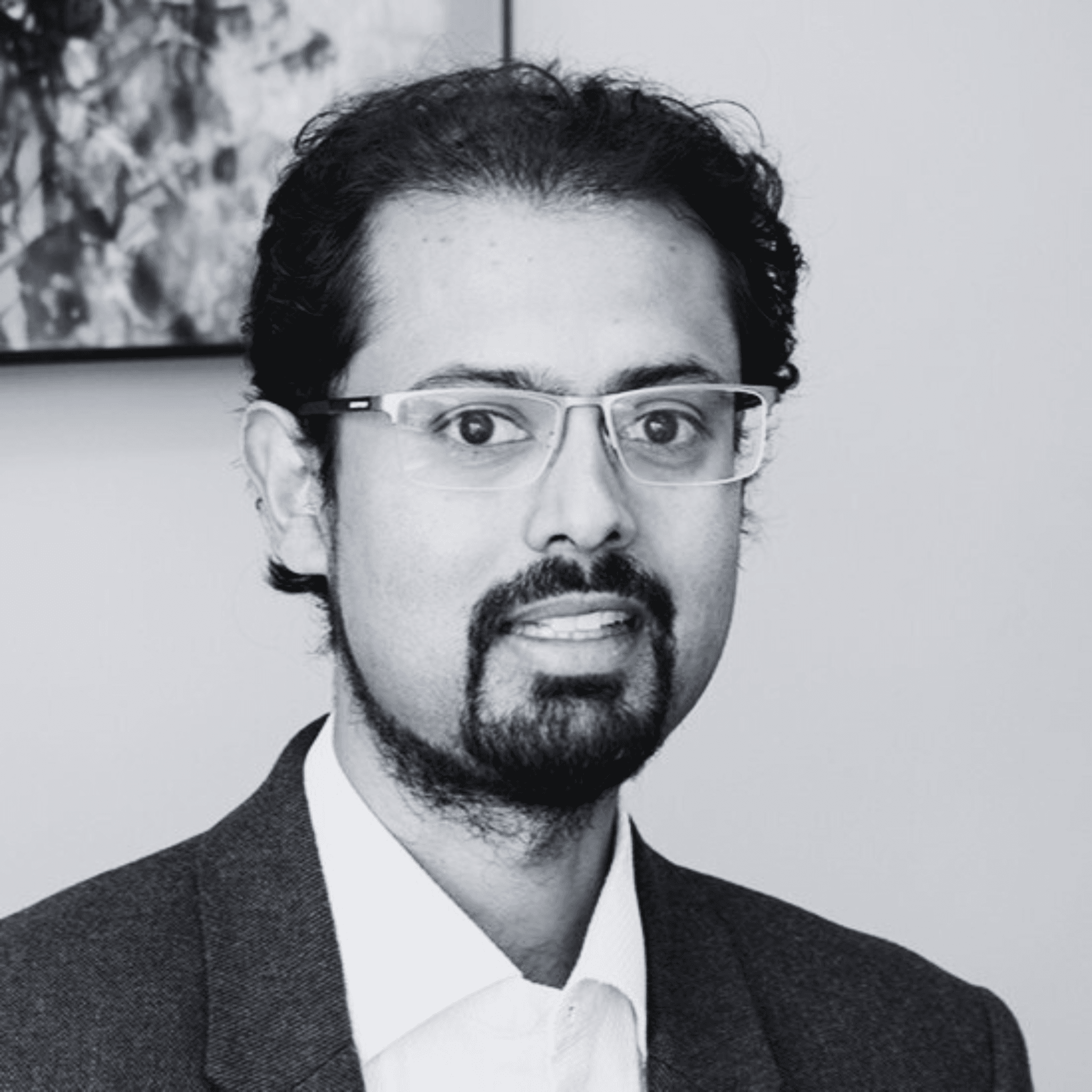
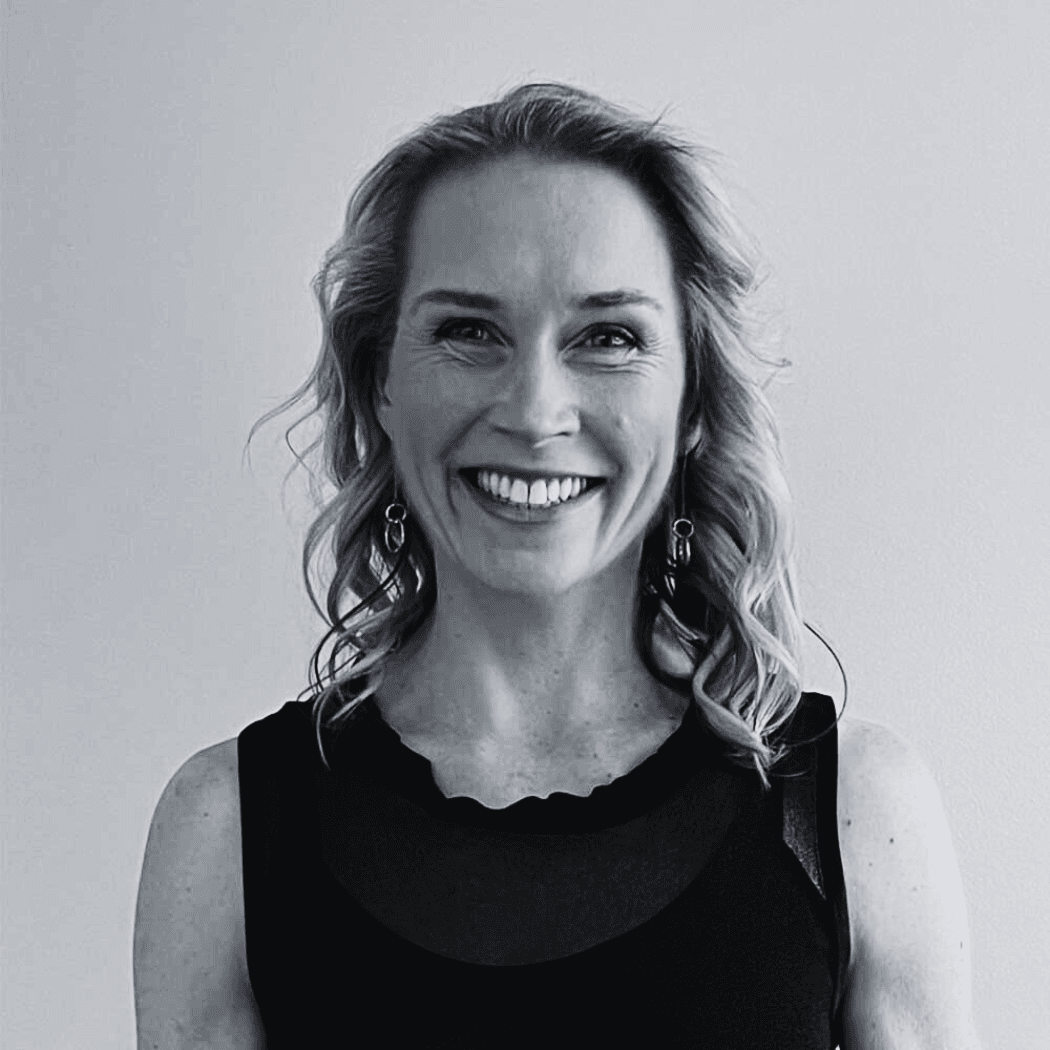
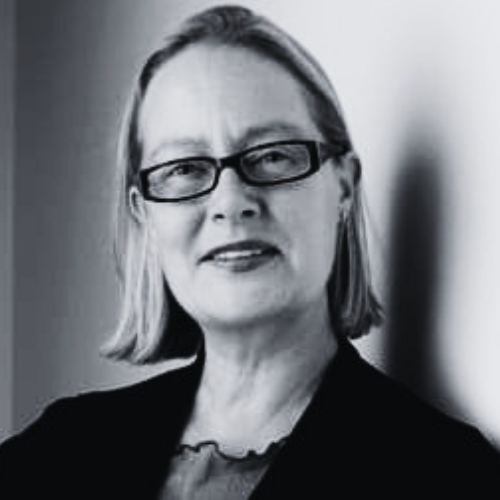
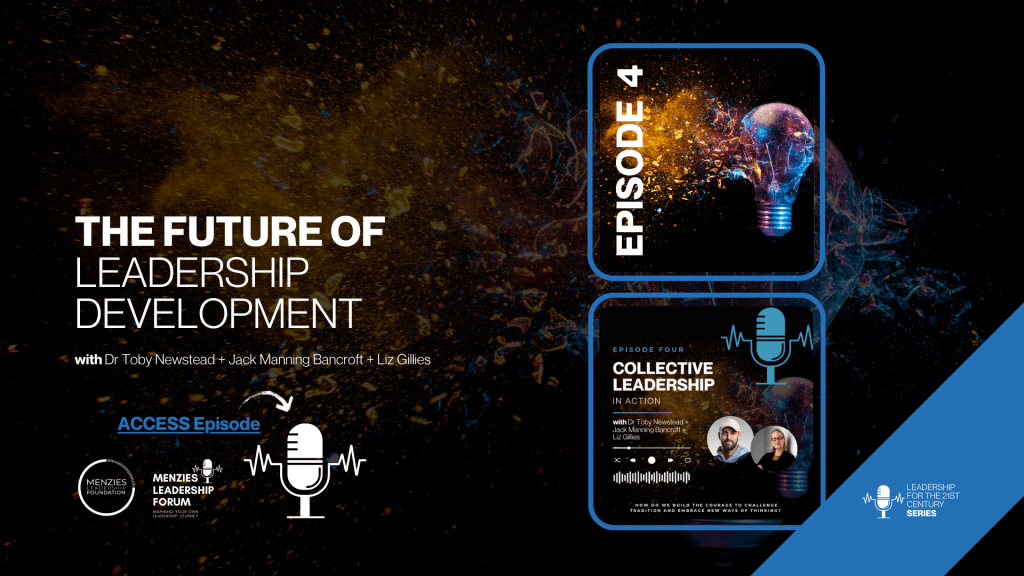
In the fourth episode of The Future of Leadership Development, host Dr Toby Newstead is joined by Jack Manning Bancroft, founder and CEO of AIME and Imagination, and Liz Gillies, CEO of the Menzies Leadership Foundation, to explore what happens when leadership becomes less about command and more about connection. Their discussion reframes leadership as a living ecosystem: one built not on power, but on relational intelligence, imagination, and shared custodianship.
Beyond the Heroic Model
The heroic model of leadership — the singular figure driving change from the top — still dominates many systems. But as Bancroft notes, “we haven’t yet done the engineering necessary to lead systemic change at scale.” The challenge is not effort, but architecture. The old design of leadership can no longer support the complexity of modern life.
Bancroft argues that real change demands re-engineering how power, knowledge, and impact flow through systems. That means building governance models that are as relational as they are strategic. Rather than centralising authority or dispersing it into chaos, collective leadership creates movement — the dynamic, breathable space between hierarchy and decentralisation.
This is not a theoretical idea. It is visible in AIM’s evolution — a shift from programs and outputs to open-source knowledge that others can use. The goal is not ownership, but replication and regeneration. The work of leadership, Bancroft suggests, is to design for diffusion.
Leadership as Relationship
At the heart of this thinking lies a fundamental truth: leadership is relational, not positional. Bancroft draws from both Indigenous knowledge systems and Robin Dunbar’s relational mapping to remind us that humans have limits to how many genuine relationships they can sustain. When these relational capacities are exceeded — as they often are in modern digital life — fragmentation sets in.
Leadership development, then, must help people reconnect within those natural limits: to strengthen small circles of trust and purpose that ripple outward through communities, organisations, and systems. It is, in Bancroft’s words, about “creating healthy organisms in our organisations — where responsibility circulates rather than accumulates.”
Gillies extends this to the civic realm. The Menzies Leadership Foundation’s approach to collective leadership begins with a call for Australians to reflect on purpose, recognise collective responsibility, and act for the greater good. This is not a moral abstraction but a civic necessity. “In a world suffering from polarisation and populism,” she says, “the question is how we make collective leadership a national conversation, not one happening in pockets.”
Purpose as Infrastructure
For Gillies, purpose is not a slogan — it is infrastructure. It anchors people amid uncertainty and complexity, enabling trust, openness, and genuine collaboration. Future-fit leadership, she argues, depends on deep collaborative capacity: the ability to work across difference and to hold multiple truths without collapsing into certainty.
Her work identifies four interlocking foundations:
- A new narrative and infrastructure that position purpose and the greater good at the centre of our collective identity.
- Capability building that enables respect, empathy, and openness across perspectives.
- Re-imagined governance and capital systems that restore agency and autonomy.
- Cultural transformation that connects self, community, and system through shared values.
Leadership, in this view, begins with self-awareness but scales through culture and design. It is not merely about better leaders; it is about better systems for leadership to emerge.
Re-grounding Leadership in Context
Bancroft reminds us that leadership is, first and foremost, contextual. “We live on a rock spinning a thousand miles an hour,” he says, “and very few of our systems start there.” His point is simple yet profound: we have abstracted ourselves from the living world that sustains us.
To lead collectively is to re-enter that context — to remember our interdependence with land, water, species, and each other. Leadership begins not with control, but with orientation: Where am I? What am I connected to? What am I responsible for?
It also demands humility. “Leadership means feeling inside your heart that you don’t matter — and trying anyway,” Bancroft reflects. That humility creates the conditions for courage and imagination — two forces that, together, enable transformation.
The Inner Work of the Collective
Gillies describes leadership as “both large and small” — as much about daily relational choices as it is about strategic direction. Her work with AIM and The Ethics Centre demonstrated how young people can reimagine their futures by identifying the virtues and principles that define them. When ethical reasoning meets imagination and courage, leadership becomes not a role but a practice.
This is the “inner work of the collective”: developing the capacity to align purpose with action, reflection with relationship, and self-awareness with service.
Bancroft calls it custodianship — the responsibility to leave the world better than we found it. “Your social contract to life on Earth,” he says, “is to make it better after you’ve left it. That’s everyone’s job.”
Gillies frames it as moral courage: the willingness to act audaciously in service of the greater good. Both perspectives point to the same truth — that leadership, in its highest form, is an act of care.
Rediscovering the Middle Ground
If polarisation pulls us apart, collective leadership draws us back together. It invites us to rediscover the physical and relational spaces between us — the literal middle ground. As Bancroft observes, “There is always ground between us — between where you are and where I am. The movement between those spaces is what we’ve lost.”
In the end, leadership is less about directing others and more about creating conditions for reconnection — to self, to one another, and to the living systems that hold us all.
The future of leadership will belong not to the heroic few, but to the courageous many who can stand together in that middle ground — humble, purposeful, and willing to try anyway.
🎧 Listen to Episode 4 — Collective Leadership in Action on The Future of Leadership Development, featuring Jack Manning Bancroft and Liz Gillies, hosted by Dr Toby Newstead.
At the Menzies Leadership Foundation, we believe leadership today is defined not by the individual at the front, but by the space between us — the middle ground where shared purpose, imagination and responsibility can take hold.
Through The Future of Leadership Development, we’re exploring what emerges when leadership moves beyond the heroic model toward something more relational — where power is shared, knowledge circulates, and change is designed to move through systems, not rest at the top.
Guided by thinkers like Jack Manning Bancroft and Liz Gillies, we see leadership as a living ecosystem. Purpose becomes infrastructure, trust creates movement, and people reconnect with context — to land, to community, and to each other.
In an era of polarisation and uncertainty, collective leadership is not a hopeful ideal but a civic necessity. The future belongs to those willing to rebuild the ground between us and act with humility, courage and care.
Leadership for the greater good begins here — in the shared work of creating the conditions for connection, custodianship and collective action.