Why values matter in leadership and life
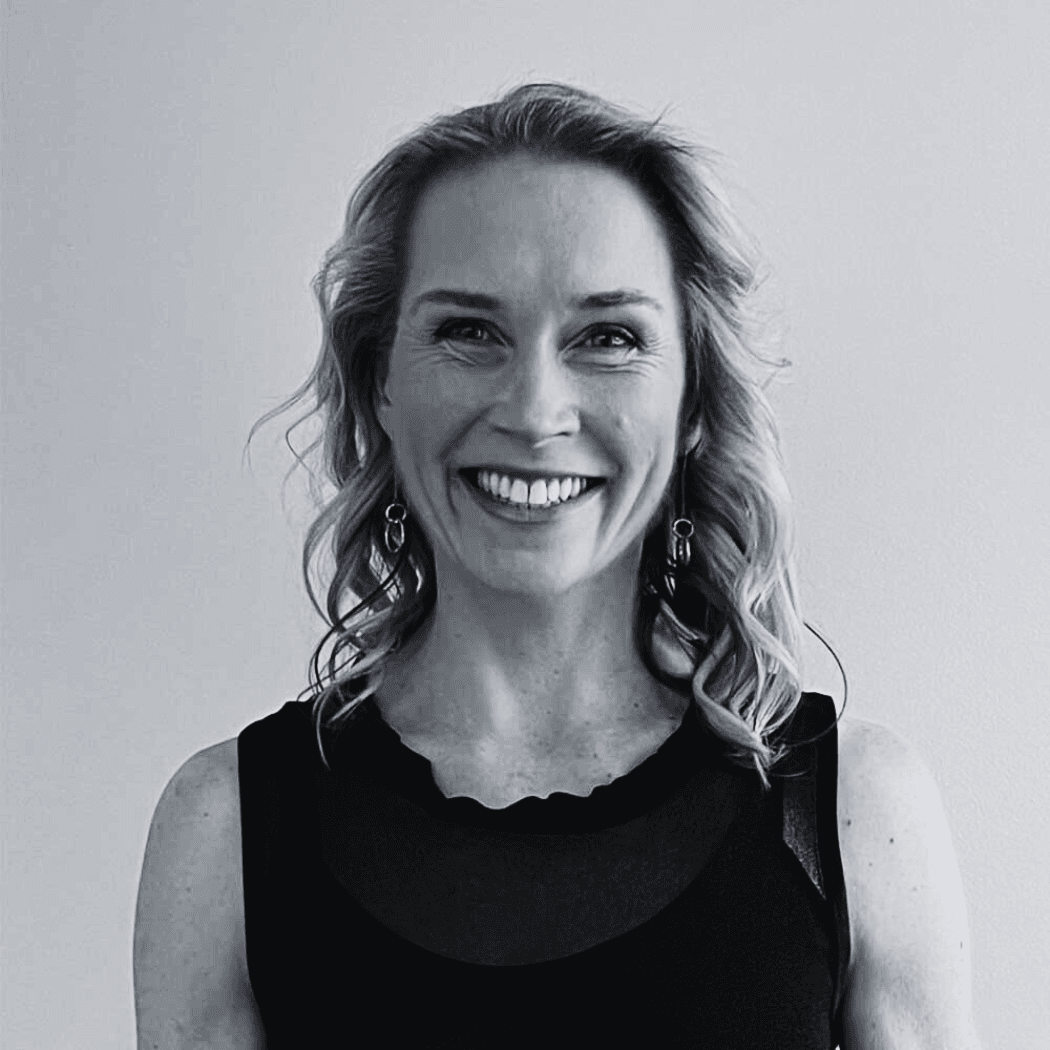
At a time when leadership is too often measured by visibility, authority or influence, Charlotte Ree’s recent reflection in The Weekend Australian Magazine offers a timely reminder of something more fundamental: leadership begins with knowing what we stand for.
Values are not soft ideals or words we place on a wall. They are the principles that guide how we make decisions, how we relate to others, and how we remain steady when circumstances change. They shape the way we listen, disagree, build trust and act with purpose.
What are your values? It is a question that sits at the heart of leadership.
In the article, Ree reflects on a deeply personal process of coming to understand the values that shape her sense of self. After years of feeling she had to make herself smaller, quieter or more palatable, she describes the clarity that comes from identifying the principles that remain constant, even as life changes around us.
For Ree, three values emerged: kindness, curiosity and vulnerability.
While her article is not written as a leadership essay, it speaks directly to one of the most important leadership challenges of our time: how we make decisions, relate to others and stay grounded amid complexity.
At the Menzies Leadership Foundation, we believe leadership is not simply a role or title. It is a shared, learnable capability that begins with self-awareness and extends into how we act with others for the greater good. This means leadership is not only about what we do, but why we do it, how we make choices, and the principles we draw upon when the path ahead is uncertain.
Values are central to that work.
They help us navigate uncertainty. They sharpen decision-making. They provide a moral and practical compass when circumstances shift or when we are called to act without easy answers. They also shape the cultures, institutions and communities we build.
In this sense, values are not abstract ideals. They are lived through everyday choices — in how we listen, how we disagree, how we build trust, how we exercise influence, and how we remain open to one another.
In a time marked by disruption, division and complexity, this kind of clarity matters. Leadership for the greater good requires more than ambition, visibility or influence. It asks people, organisations and communities to consider deeper questions of purpose, responsibility and contribution.
What do we value?
What do we stand for?
What principles will guide us when circumstances change?
These questions are especially important in moments of transition — personally, professionally and collectively. When old assumptions no longer hold, values can help us orient ourselves towards the kind of future we want to create and the kind of leadership that future will require.
Ree’s reflection is a timely reminder that values are not separate from leadership. They are the foundations of it.
They help us understand who we are, how we show up, and what we are prepared to stand for — even when it is difficult.
At the Menzies Leadership Foundation, we believe leadership begins with knowing what we stand for. Too often, it is measured by visibility, authority or influence — but without values, those things have no direction. Charlotte Ree’s reflection is a challenge to that emptiness. Drawing on her deeply personal journey of identifying kindness, curiosity and vulnerability, she makes the case that values are not soft ideals or words on a wall — they are the principles that guide how we make decisions, relate to others, and stay steady when circumstances change.
As disruption and division test our resolve, leadership rooted in values is not a nice-to-have. It is the work. Read Charlotte Ree’s article. Engage with the Menzies Leadership Foundation. And if you believe that leadership requires more than ambition — that it asks us to consider what we stand for, even when it is difficult — help us build the conditions that make that possible.