Across Australia, communities are grappling with rising division, eroding trust and a sense that our social fabric is under strain. Yet, again and again, we also see something quieter and more powerful at work: people choosing care, restraint and responsibility toward one another, even in moments of shock, grief and disagreement.
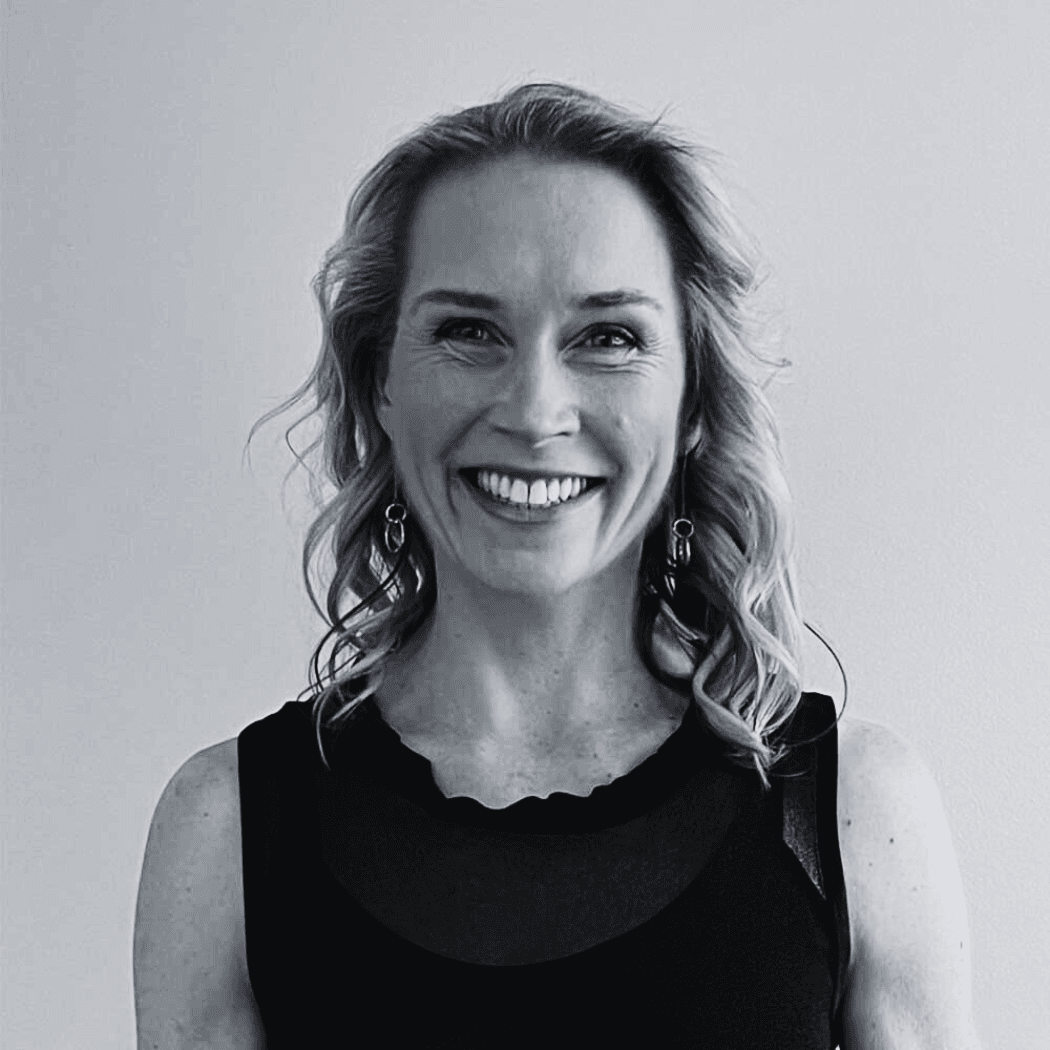
This opinion piece, written by Ellen Jackson and originally published in The Courier, reflects on Ballarat’s capacity to respond to challenge with compassion rather than fear. It offers a grounded, local perspective on what holds communities together — the everyday relationships, norms and shared expectations that allow respect and care to endure when they are most tested.
At the Menzies Leadership Foundation, this idea of “social scaffolding” sits at the heart of our Civility work and our ambition for 2026: to strengthen the conditions that enable people, institutions and communities to navigate difference constructively and act for the greater good.
Building a better 2026
The local work of keeping Ballarat connected
We like greeting a new year with thoughts of fresh starts. But many of us are arriving in 2026 carrying the weight of 2025.
After years of pandemic, disasters and economic pressure, last year exposed deep strain: polarisation shaped by global conflicts, eroding trust, generational divides, and online tensions spilling into everyday life.
Then, as we were preparing for family celebrations and summer holidays, lives were shattered at Bondi Beach by the deadliest mass casualty attack in Australia in decades – an attack driven by racism and hate.
The shock landed hard. It revived painful memories of Port Arthur and the Lindt Café siege. At the end of an already heavy year, it felt like acute loss: of people, of families, and of a sense of safety.
Yet, in the days that followed, Australians responded with care rather than collapse.
We queued for hours to give blood, with record-breaking donations. Stories of bravery and self-sacrifice spread – people shielding strangers, emergency responders exceeding every expectation, millions raised to support those most affected. In the face of violence, we chose to act for others.
This is not unique to Sydney or our bigger cities. We see this same instinct in Ballarat.
We saw it in the community search for Samantha Murphy. In the locally-led march demanding action on gendered violence. We see it in our sporting clubs quietly fundraising for families doing it tough. It’s our volunteers, our Rotary and service clubs giving time without fanfare. It’s the respectful tone of ANZAC Day commemorations. It’s in the everyday moments – drivers slowing to wave pedestrians across, and online communities helping reunite lost phones and pets with their owners.
This isn’t accidental or just good intentions in emotional moments. This quiet care and respect reflects a kind of social scaffolding that we’ve built over time: relationships, habits and shared expectations that help us respond with compassion instead of fear when what is important to us is under threat.
This is a deeply held commitment to helping our fellow citizens – often quietly, often without recognition – especially when it matters most.
We would be naïve to think Ballarat is immune to the fear and destructive forces shaping the rest of the world. Many of us have felt it in small, familiar ways: a conversation that escalates more quickly than it used to, a harsh comment online about a local issue, a sense that disagreement now carries more heat. We know that, if left unattended, these dynamics could shape who we are.
But they haven’t – at least not yet – and this is where Ballarat’s social scaffolding matters.
Our willingness to show up for one another is our strength: a strength that must not disappear when things get difficult. We cannot pretend there aren’t tensions, moments of conflict or frustration, and we cannot whitewash past wrongs. What we can do is continue to work hard as a community to maintain respect, inclusion and care, even when we disagree. We can hold people as more than their opinions or their worst moments. We can refuse to reduce each other to labels, even when we feel aggrieved. We can stay human, even when it’s hard.
As we move into 2026, there is new social scaffolding work emerging in Ballarat, catalysed by the Ballarat Foundation. The question at its heart is: How do we hold on to care, connection and respect when powerful forces are trying to pull us apart?
It’s work that belongs to all of us, because the future of Ballarat will be shaped less by what we argue about, and more by how we choose to treat one another when it matters most.
Onwards and upwards.
Civility Initiative
Philanthropy brings high-risk capital and independence, connecting community heart with system-level nous to drive innovation and tackle contemporary racism and tribalism. The Menzies Leadership Foundation fosters outstanding leadership for the greater good; as a philanthropic foundation and system entrepreneur, we amplify a leadership movement and catalyse partnerships to build leadership at scale. One of our priority cohorts, our “leadership sandbox”, is citizens seeking to strengthen their communities’ resilience.
Through the Reimagining Civility Initiative, the Menzies Leadership Foundation, has convened a coalition to make sense of the challenges and opportunities around civility, unearth new insights, and co-develop an inclusive response.
Our goal is bold: to reimagine a more civil Australia with a unifying narrative about race and diversity and a national platform for action that helps all Australians engage constructively across differences and strengthen their communities’ resilience.
As work continues to shape not just our economy but our social fabric, belonging has become a core leadership responsibility. In an era of fragmentation and change, how people experience work — whether they feel seen, valued and able to contribute — matters more than ever.
The leaders who will earn trust in this next chapter are those who treat belonging as a practice, not a program. Those who design cultures grounded in empathy, dignity and shared purpose, and who understand that strong workplaces help sustain strong communities.
If you are committed to leading with this standard of care, we invite you to stay connected with the Menzies Leadership Foundation. Join a community shaping workplaces where people truly belong — and where leadership strengthens the systems we share.