
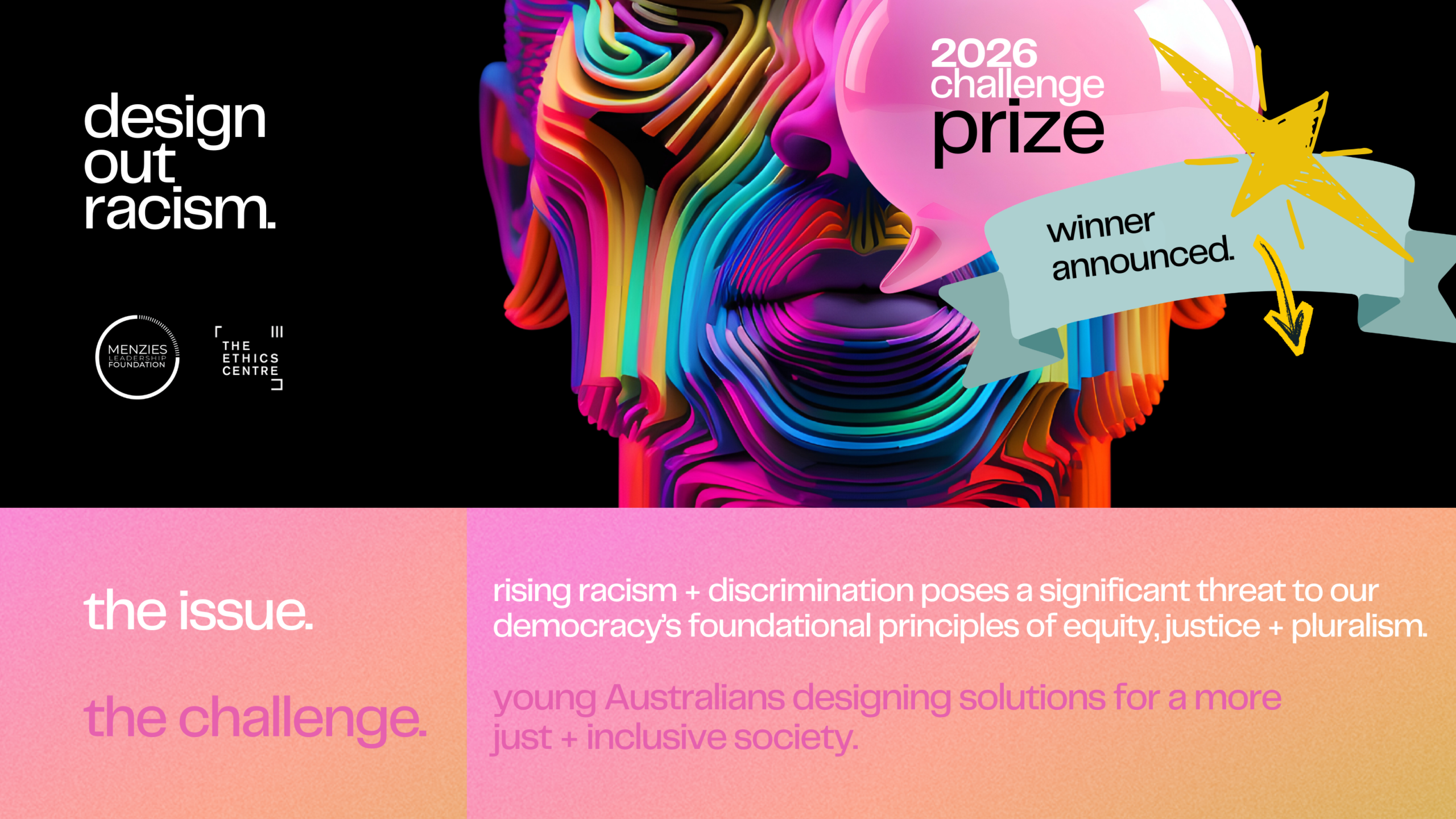
and the 2026 Winner is...
Young Australians designing solutions for a more just and inclusive society.
Stand Up, Take It Down
- Winning school
- Saint Ignatius’ College, Riverview
- Team
- Charles Fuller, Xavier Todd, Maxwell Quirk
The video communicates a strong message using minimal dialogue, which I think was an effective creative decision. The use of visual storytelling through the sign containing racial slurs (with the words blacked out) creates a powerful sense of curiosity and tension. The final moment where the message 'Stand up, take it down' is revealed and the sign is physically cut down creates a clear symbolic action. Emotionally, the piece creates connection through the simplicity of the imagery and the silence.
I really enjoyed this video. The approach was simple yet made the viewer think about phrases connected with their own lives, friends and family and whether they had said such phrases before. The call to action was clear and emotive: the use of the scissors portrayed that achieving the call to action is simple and swift, like snipping a piece of string.
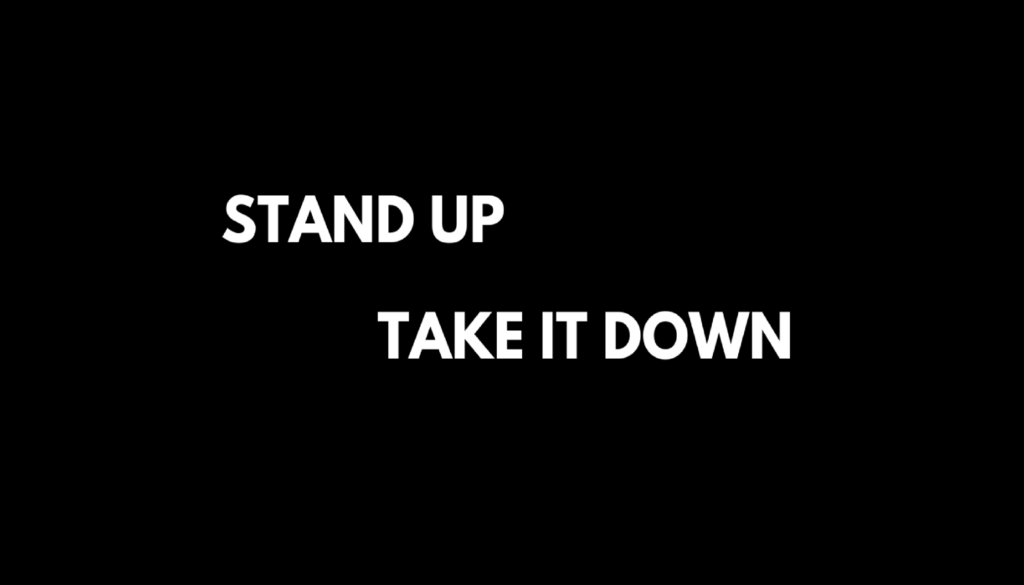
We are thrilled to announce that the winner of this year’s Anti-Racism Youth Film Competition is Stand Up, Take It Down submitted by Charles Fuller, Xavier Todd, Maxwell Quirk from Saint Ignatius’ College Riverview.
This entry stood out for its powerful simplicity. Using visual storytelling and minimal dialogue, the team created a film that speaks volumes through powerful imagery. The image of a sign containing racial slurs, words blacked out, builds tension quietly and respectfully, before the climactic act of cutting it down delivers a message that is both symbolic and deeply human: we all have a role to play in removing racism from our communities.
The judges praised the entry’s emotional awareness, its creative originality, and its clear, memorable call to action. In a field of strong, thoughtful entries, Stand Up, Take It Down rose to the top by trusting its audience and letting the story speak for itself.
Congratulations to the team behind Stand Up, Take It Down: your film will inspire others to speak up, step in, and make change.
Student Projects
The challenge invited students to explore how ethical leadership can help address racism in their communities. Explore the student submissions below.
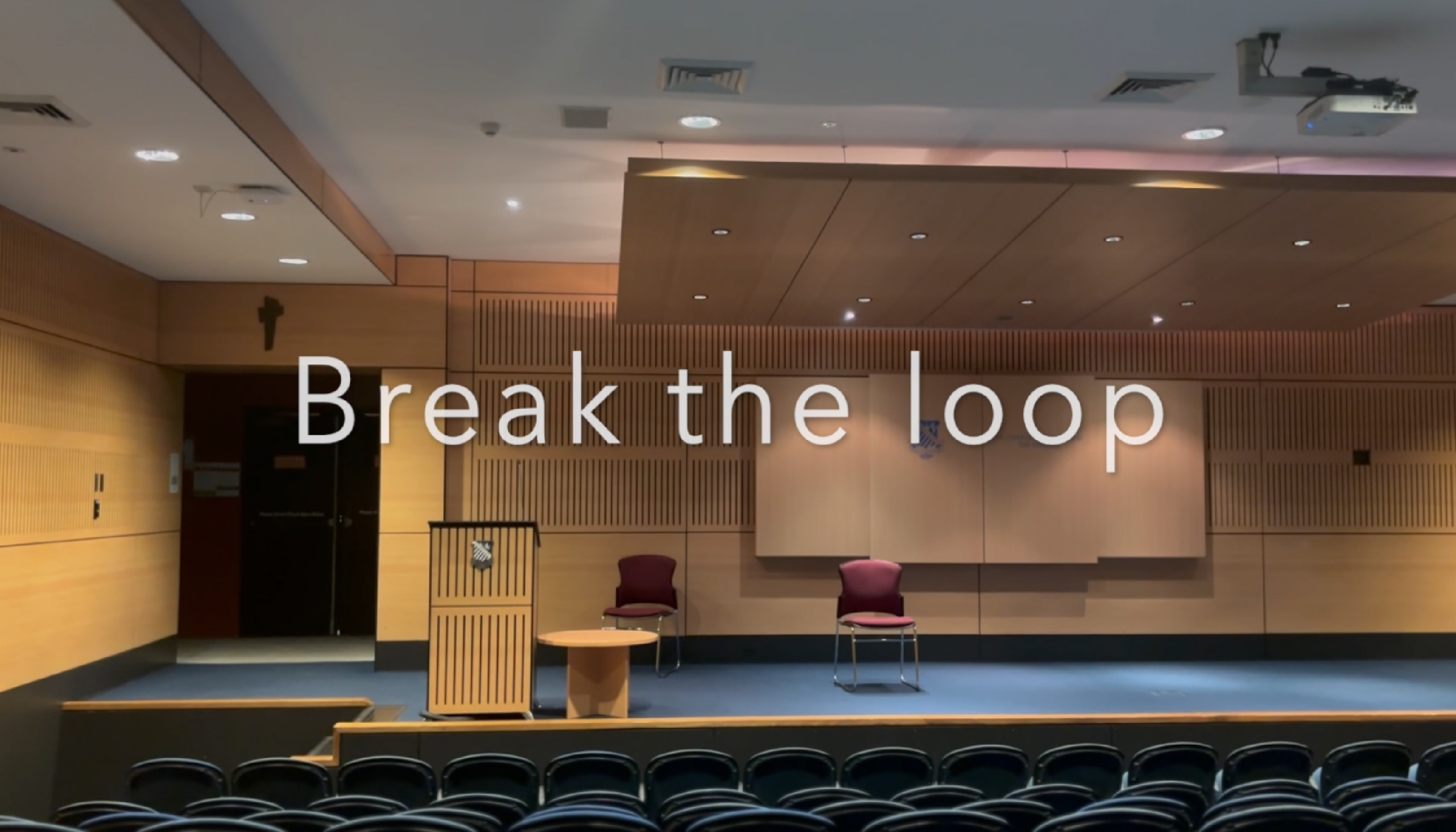
Break the Loop
This entry tackles the everyday phrases and conversations that perpetuate racism, using real-life dialogue to demonstrate how harmful language cycles through communities. By presenting these conversations directly and honestly, the video challenges viewers to recognise their own role in either continuing or breaking that loop. The storytelling approach gives the film emotional authenticity and a clear, embedded call to action.
Watch Video ▶
Racism Isn't Always Loud
This entry challenges the common misconception that racism must be overt to be harmful. Through symbolism and deliberate restraint, the video draws attention to the silent, systemic dimensions of racism: the inaction, the institutional failures, and the moments people choose to look away. It makes a thoughtful case that complicity can be just as damaging as direct discrimination.
Watch Video ▶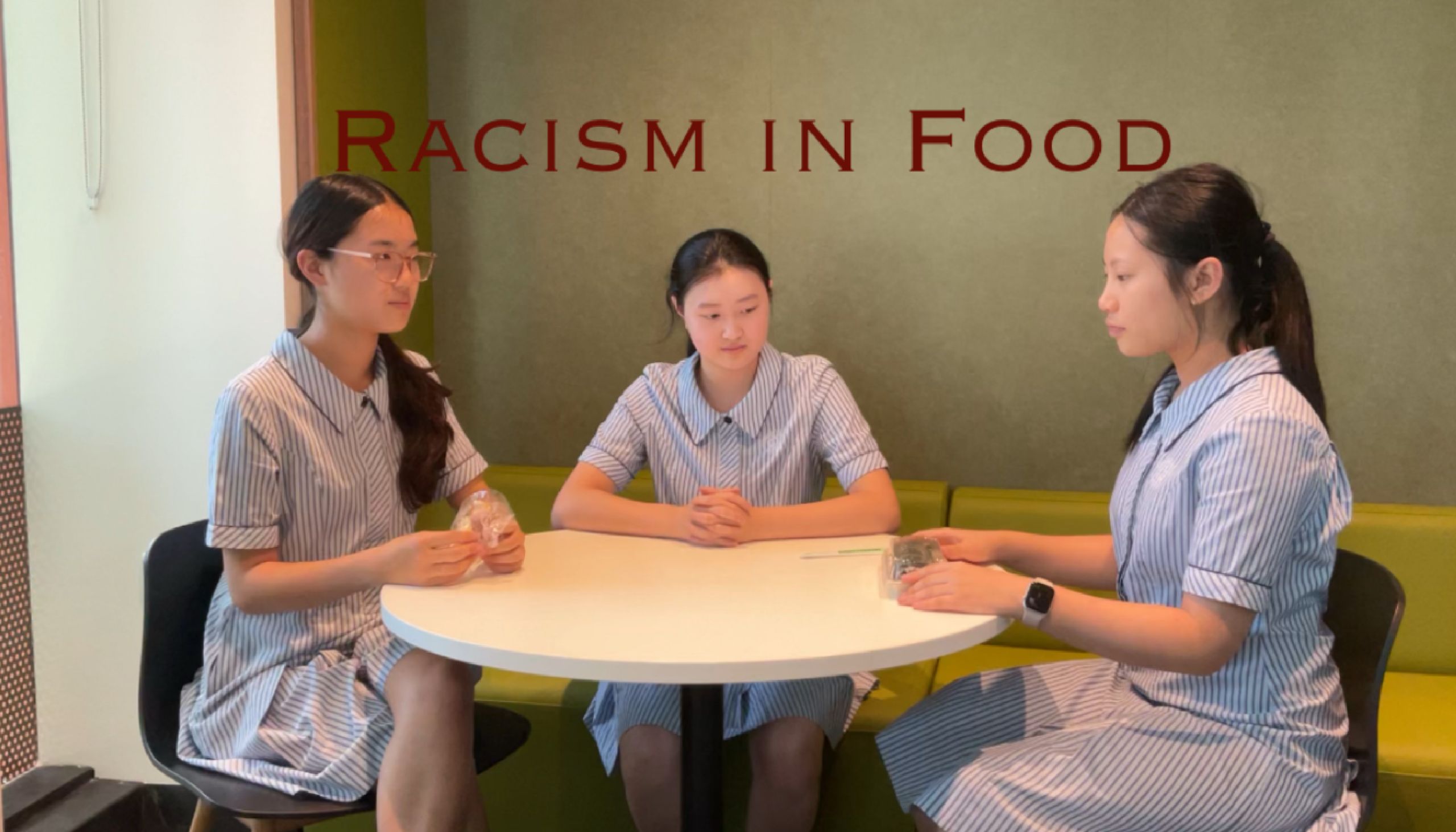
Racism in Food
A researched and intellectually rigorous entry, this video examines how racism manifests within food systems and culture, from representation and access through to cultural erasure and appropriation. The piece demonstrates strong systems thinking and a clear understanding of root causes, presenting the issue in an accessible and informative way. Judges praised its depth of research while noting an opportunity to add stronger human storytelling to amplify its emotional impact.
Watch Video ▶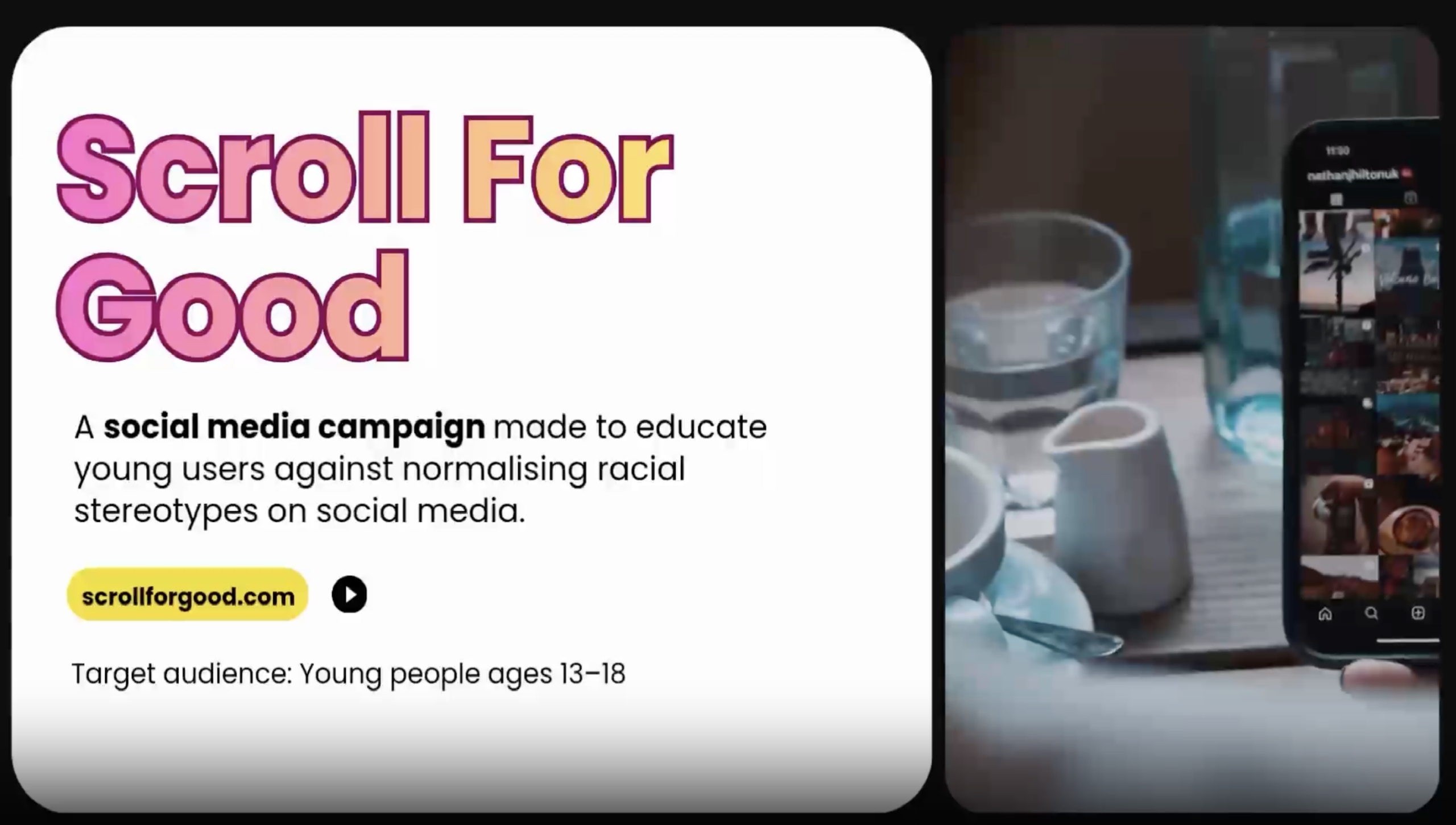
Scroll for Good
This entry makes the case for harnessing the power of social media as a force for positive change. The video proposes a campaign-driven call to action, encouraging viewers to use their digital footprint to amplify anti-racism messages. Technically polished with clear audio and strong production values, the piece shows confidence in its concept. Judges felt the emotional and storytelling layers could be developed further to create a deeper personal connection with the audience.
Watch Video ▶About the Challenge
The Design Out Racism Challenge is part of the Ethics-Centred Leadership, Design New Futures program.
Through a series of interactive learning modules, Year 10 students develop a personal ethics framework and apply it to a real-world challenge: racism in their communities.
Working in teams, students design a practical response and present their ideas through a one-minute “Video for Change”, encouraging empathy, awareness and action.
The program combines ethics education, systems thinking and collaborative design, helping students move beyond identifying problems to imagining and creating solutions.

Judging Panel
Our thanks go to the five judges who gave their time and expertise to review all entries.





How the Program Works
- 01Learn
Students explore ethics, values and systems thinking through guided lessons that help them develop a personal ethics framework.
- 02Understand the Issue
Teams identify a real challenge related to racism or discrimination within their communities and analyse the underlying causes.
- 03Design a Solution
Students develop an idea that addresses the issue in a constructive and ethical way.
- 04Create a Video for Change
Teams produce a one-minute video presenting their idea and inspiring positive action.
- 05Bring Ideas to Life
Winning teams receive funding to help bring their ideas into practice.





Why Ethics
Matters
Young people today are growing up in a world defined by rapid technological change, global uncertainty and complex social challenges.
Helping students develop the ability to think ethically, understand systems and collaborate with others is becoming an essential part of preparing them for the future.
Programs like the Design Out Racism Challenge demonstrate how ethics education can strengthen:
By giving students the opportunity to design solutions to real-world challenges, the program helps young people build the confidence and capability to contribute positively to their communities.
“Preparing young people to navigate an increasingly complex world requires more than knowledge alone.”
- Critical thinking
- Empathy and perspective-taking
- Civic responsibility
- Collaborative leadership




Looking
Ahead
Program Partners
This initiative is delivered through a partnership between:
A philanthropic foundation dedicated to strengthening leadership for the greater good.
An independent organisation advancing ethical thinking and practice across Australian society.
Are you interested in learning more about the Emerging Leaders initiative?
Explore our work supporting the next generation of ethical leaders.